Our population is struggling to find reliable information about events and news happening both in our country and around the world. Social media platforms have become a primary source of information for many of us. But are social media platforms reliable sources? And, more importantly, is it enough to consume information solely through social media?
At present, many of us feel deeply divided. We notice people not sharing posts about injustices happening worldwide or choosing not to engage with the more serious side of social media—such as news coverage and circulating videos. This can make some of us feel upset, or even furious. Thoughts like “Do they not care about what’s happening?” or “Why aren’t they using their platforms to inform others or protest these injustices?” may come to mind. However, the answers to these questions are rarely as simple as “yes” or “no.”
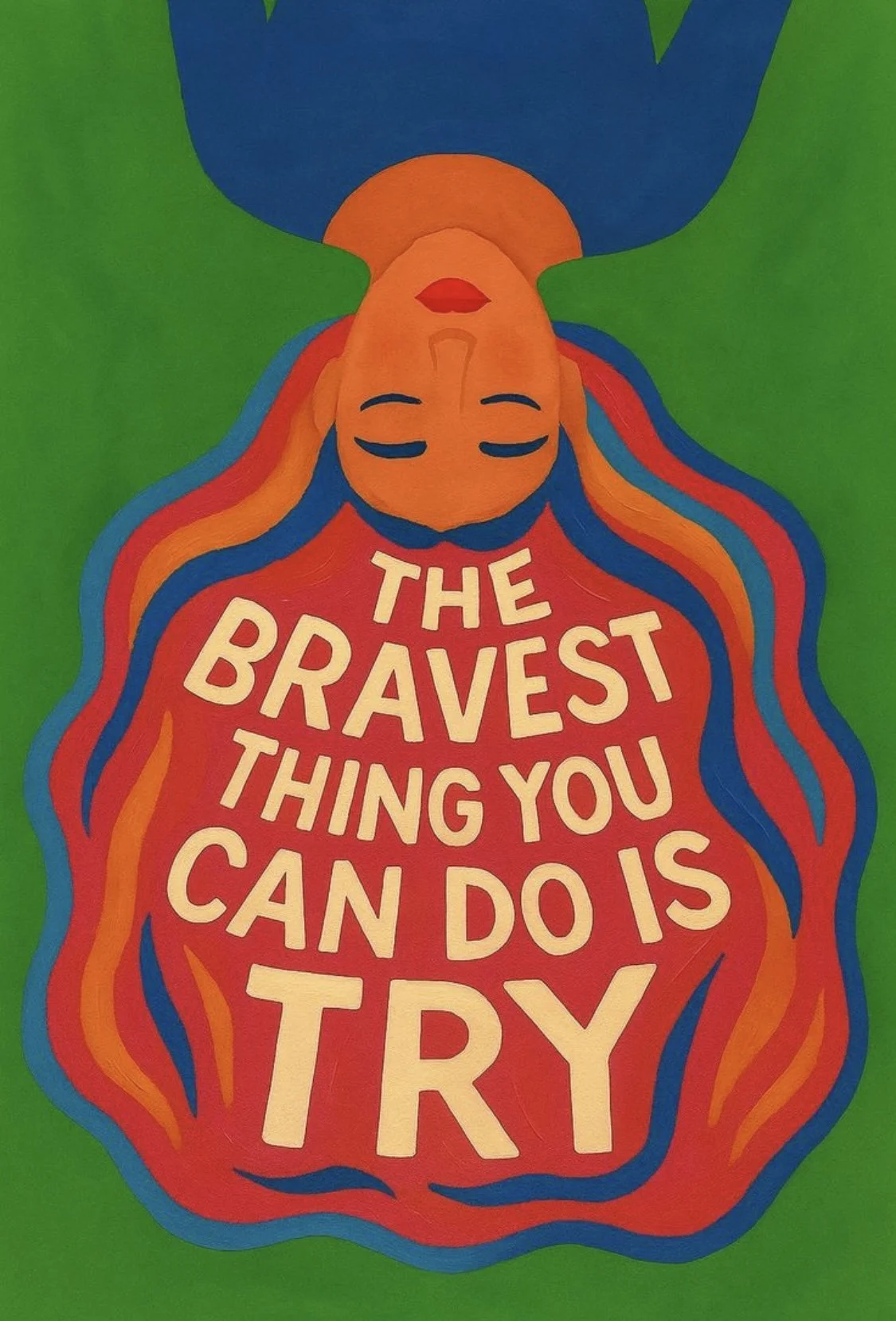
As much as we want to stay connected, informed, and supportive—sharing love, knowledge, and solidarity—we must also be mindful of how our social media consumption affects our well-being. For some people, self-care may look like choosing not to post, like, share, or repost traumatizing content. This can create tension, confusion, and sometimes anger, leading us to wonder, “Do people not care?” . However, protecting one’s peace may sometimes appear as disengagement to others. Taking care of ourselves is often what allows us to care for others more sustainably. Choosing to engage selectively with social media does not mean someone is indifferent to what is happening; it may simply mean they are obtaining their news from other sources and processing global events in more private ways.
Social media can certainly be a place of connection—where we feel empathy, find shared understanding, and take comfort in knowing others think and feel similarly. At the same time, it can also be a space where we learn how to protect ourselves and our peace. One way to do this is by limiting screen time. For example, smart phone settings allow users to set daily screen time limits; once reached, the device notifies you and can restrict access to certain apps. Another option is to take a temporary break from social media altogether. Allowing yourself a one-day—or longer—detox can help reset your nervous system. Social media apps can be deleted temporarily without losing any account information. Turning off notifications from social media apps can be another, less drastic way, to limit intake.
No matter how you choose to step back from social media, it is important to remember that the core of this decision is not a desire to disengage from the world, nor does it necessarily reflect a lack of care. Instead, it can be a way of processing the overwhelming and often traumatizing information that continually reminds us of how heavy the world can feel. When we allow ourselves to be protected—and when we extend that same understanding to others—we create more space to care for one another with intention and compassion.