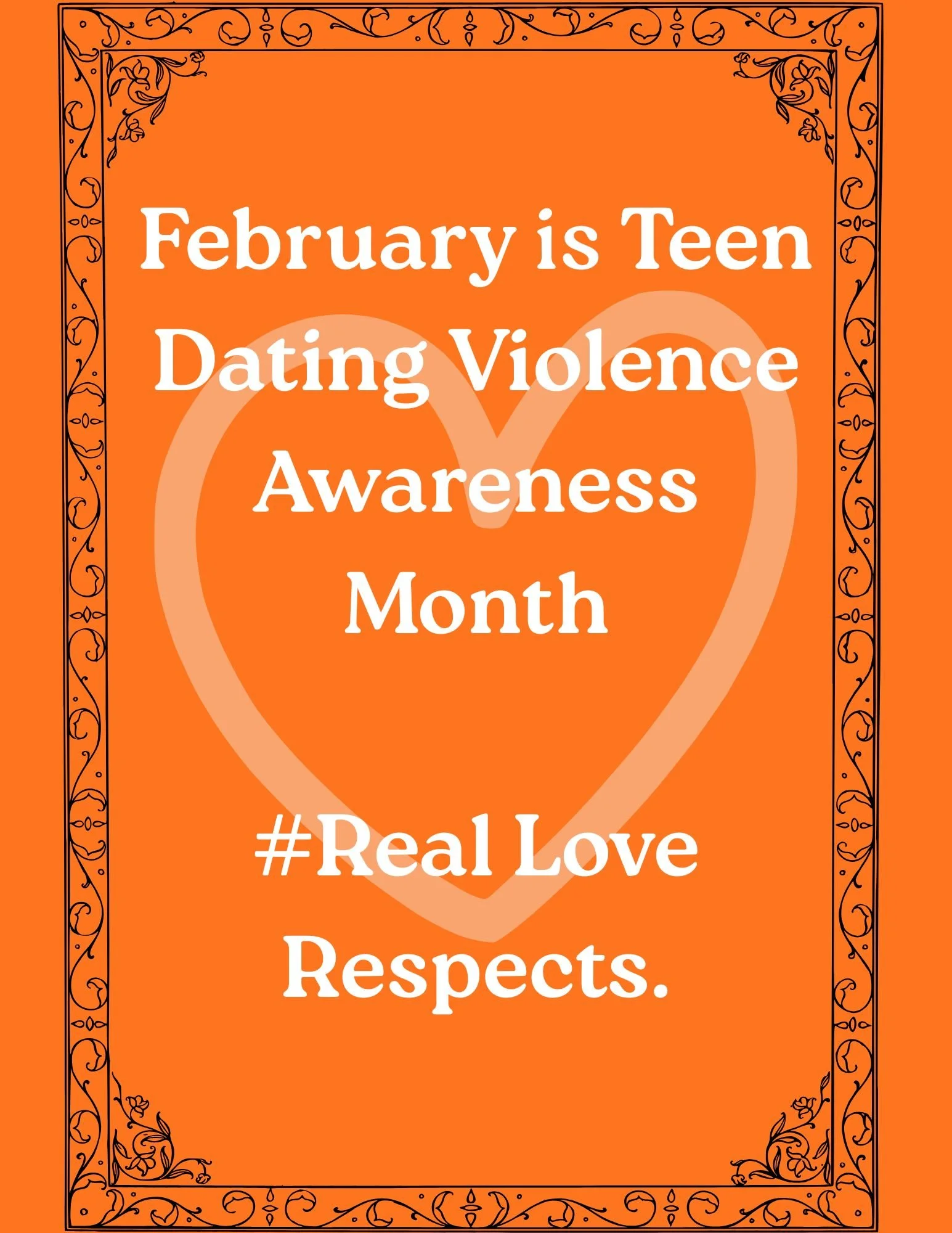
At first glance, February does not seem like a month filled with celebrations or festivities. In reality, one widely recognized holiday—Valentine’s Day—tends to overshadow all the other important observances the month holds. Walking down the streets or riding trains, subways, and buses, or even stepping into schools and restaurants, you are likely to see people carrying flowers for their loved ones. This red-rose-and-Cupid-coded celebration often dominates the entire month, causing many of us to overlook other significant observances, such as Black History Month or the fact that February is also Self-Esteem Awareness Month. Alongside Valentine’s Day, however, February also marks another crucial observance: Teen Dating Violence Awareness Month (TDVAM).
Teen dating violence is a widespread form of intimate partner violence (IPV) that occurs within the teenage dating population. Dating itself is a common developmental milestone that often begins during adolescence. At its best, dating can be a meaningful way to experience love, affection, respect, and healthy relationships. Unfortunately, for some teens, dating can become a source of harm, leading to physical, emotional, and psychological pain, as well as manipulation. Like other forms of IPV, teen dating violence can include stalking, control, physical, verbal, and psychological aggression, as well as bullying or cyberbullying. It affects individuals aged 12 to 18 who are involved in past or present romantic or consensual relationships (National Institute of Justice). Research also shows that dating is beginning at increasingly younger ages—sometimes as early as 12 or 13 years old (March 4, 2017). As a result, cases of IPV are emerging within even younger populations.
While it would be possible to write at length about the reasons intimate partner violence is affecting younger age groups, the purpose of this article is different. This piece is meant to reach parents, teachers, teenagers, and the friends and family members of teens, with the goal of starting conversations—not passing judgment. Open and honest communication is widely recognized as one of the most effective ways to prevent harmful or even tragic situations.
These conversations begin by meeting young people where they are and understanding their language. For instance, using terms like “red flags” and “green flags”, that might seem a little silly and immature for older generations, can help create a sense of familiarity and safety in our youth. When people feel heard and understood, they are more likely to open up. Adolescence is often a time when individuals feel unseen or dismissed. By showing genuine interest in young people’s lives, language, and perspectives, we can take an important first step toward awareness, prevention, and meaningful change.
For more information on Teen Dating Violence and it’s Awareness Month visit:
https://nij.ojp.gov/topics/crimes/teen-dating-violence and https://www.teendvmonth.org/
References
What is Teen Dating Violence? (2017, March 4). Teen Dating Violence. https://www.teendvmonth.org/what-is-teen-dating-violence/
National Institute of Justice. (n.d). Teen Dating Violence. https://nij.ojp.gov/topics/crimes/teen-dating-violence